Eczema & Psoriasis
Eczema
Understanding your eczema is the first step towards finding suitable management options.
Eczema is a common inflammatory skin condition that can affect people of all ages. It can cause dry, red and itchy skin, with flare-ups sometimes leading to irritation, cracking or weeping. Symptoms can vary and may affect everyday comfort and sleep.
Our team of dermatologists at Karrinyup Dermatology provides specialist assessment and personalised management plans to help patients manage their eczema. Book a consultation to discuss your skin concerns today.
What is Eczema?
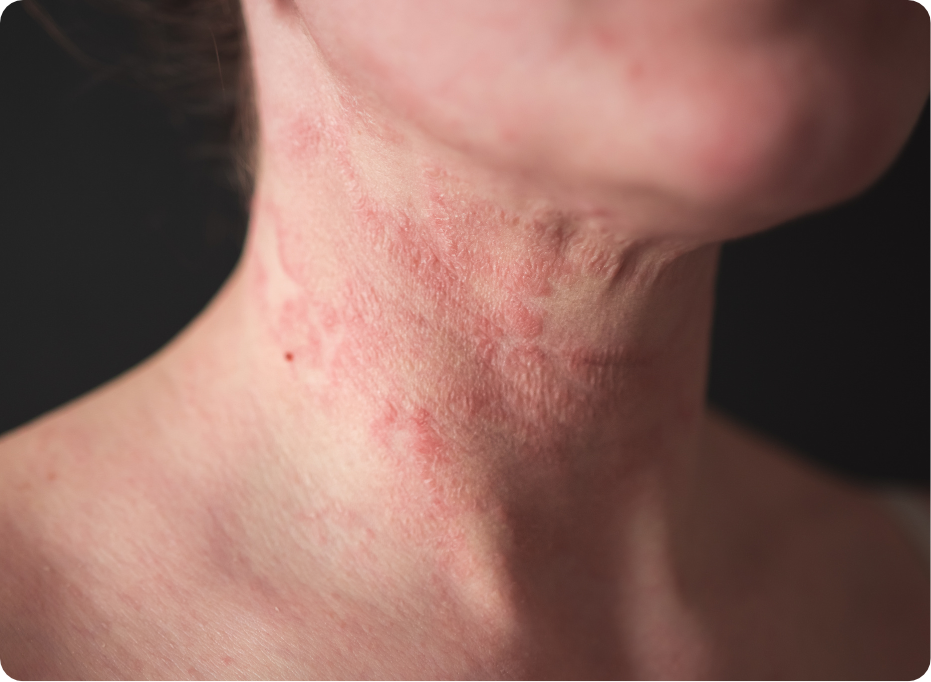
Eczema, also known as atopic dermatitis, is associated with a weakened skin barrier that makes it harder for the skin to retain moisture and protect itself from irritants. This can leave the skin more sensitive and prone to inflammation.
Eczema can develop due to a combination of genetic, immune system and environmental factors. It is more common in people with a family history of eczema, asthma or hay fever. Certain everyday factors can also trigger or worsen symptoms.
Common eczema triggers include:
- Harsh soaps, detergents and fragranced skincare products
- Weather changes, particularly cold or dry conditions
- Environmental allergens, such as dust mites, pet dander and pollen
- Stress or illness
- Certain fabrics, including wool, that may irritate the skin
What are the common signs and symptoms of Eczema?
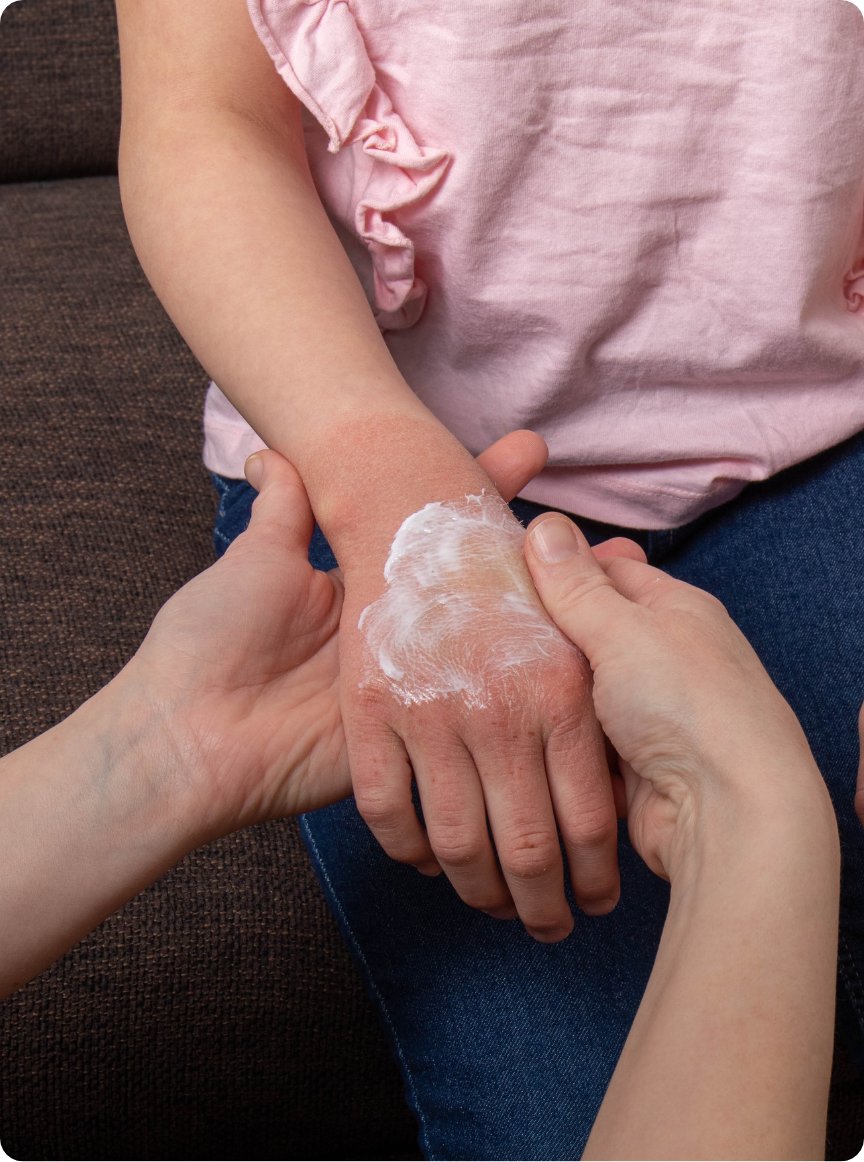
Eczema can affect the skin in different ways, and symptoms may vary depending on the individual and the severity of the condition. Some people experience occasional patches of dryness and irritation, while others may have more persistent symptoms that come and go over time. Flare-ups can affect different areas of the body and may change in appearance as the condition develops.
Common signs and symptoms of eczema include:
- Dry, rough or scaly patches of skin
- Persistent itching, which may become worse at night
- Red, inflamed or irritated skin
- Thickened or leathery skin from repeated scratching
- Cracked skin, sometimes with oozing or crusting during flare-ups
Our Approach to Eczema Treatment
Managing eczema starts with understanding your skin, symptoms and individual needs. During your consultation, our dermatologist will discuss your medical history, symptom patterns, lifestyle factors and any previous treatments. Your skin will also be examined to assess the nature and severity of your eczema.
Following your assessment, a personalised eczema management plan will be developed based on your individual circumstances. Depending on your symptoms, this may include topical therapies, skincare recommendations and practical advice to help protect the skin barrier and manage flare-ups.
Ongoing follow-up appointments may also be recommended to monitor your skin, review your progress and adjust your management plan as needed.
If you are experiencing eczema or ongoing skin irritation, book a consultation to discuss your skin concerns and explore suitable management options today.

Managing eczema is not just about treating flare-ups, it’s about preventing them.
Consult with our experienced dermatologists today.
Psoriasis
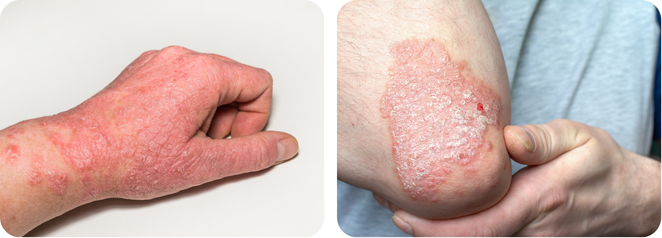
Psoriasis is a chronic inflammatory skin condition that causes skin cells to build up more quickly than usual. This can lead to raised, thickened patches of skin covered with silvery-white scales, commonly appearing on the elbows, knees, scalp and lower back. Psoriasis can also affect the nails and other areas of the body.
The condition is immune-mediated, meaning the immune system plays a role in triggering inflammation and accelerating skin cell production. Genetics and environmental factors can also contribute to its development. Although psoriasis is a long-term condition and is not contagious, symptoms can vary over time, with periods of flare-ups and improvement.
There are various management options available to help control symptoms and manage flare-ups. Book a consultation to learn more today.
How is Psoriasis Different from Eczema?
Although eczema and psoriasis can both cause dry, inflamed and irritated skin, they are different skin conditions with distinct characteristics.
Eczema typically causes dry, itchy and irritated skin. It is often associated with a weakened skin barrier and can be influenced by environmental triggers, allergens and genetics.
Psoriasis is an immune-mediated condition that causes skin cells to build up more rapidly than usual. It commonly appears as raised, thickened patches with silvery-white scales and may also affect the nails.