

Pigmentation Treatment
Pigmentation
Explore solutions for uneven skin tone, sun spots and melasma.
When melanin is produced unevenly, it can lead to areas of discolouration or dark spots on the skin, this is known as pigmentation. These changes in skin tone can appear for many reasons and often become more noticeable with age, sun exposure, or after inflammation or injury to the skin.
One of the most common forms of pigmentation is sun-induced pigmentation, also known as solar lentigines or “sun spots.” These flat, brown spots typically appear on areas frequently exposed to the sun, such as the face, hands, chest, and shoulders. Over time, repeated UV exposure encourages excess melanin production, resulting in patchy, uneven skin tone.
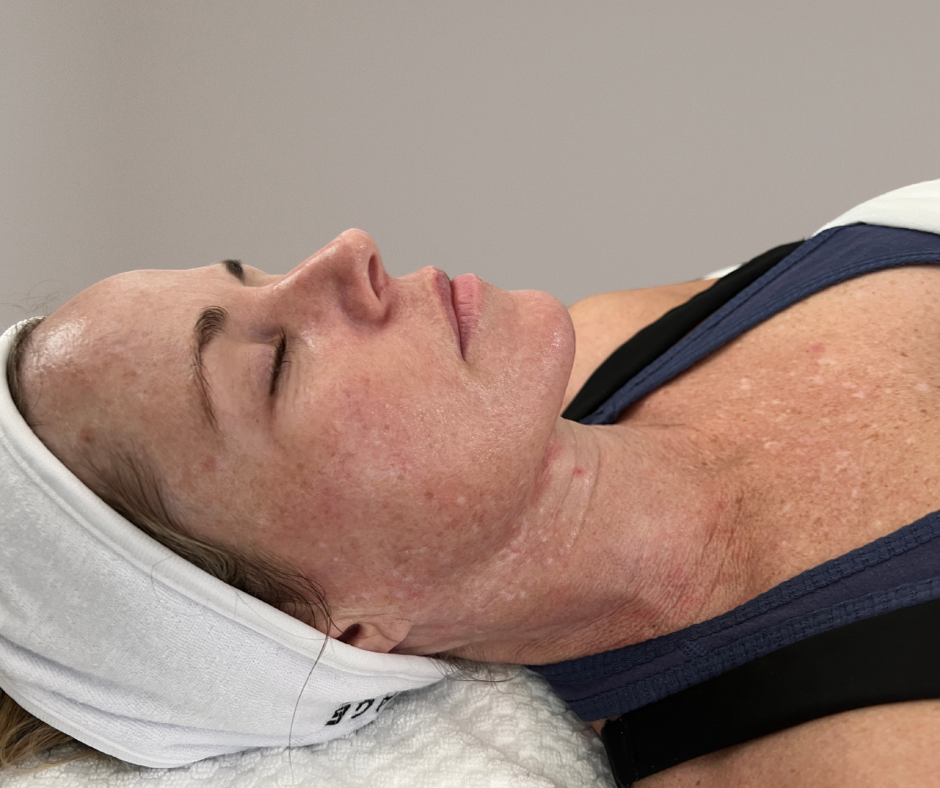
Sun damage, brown spots, and melasma
Consult with our experienced dermatologists today.
What is pigmentation?
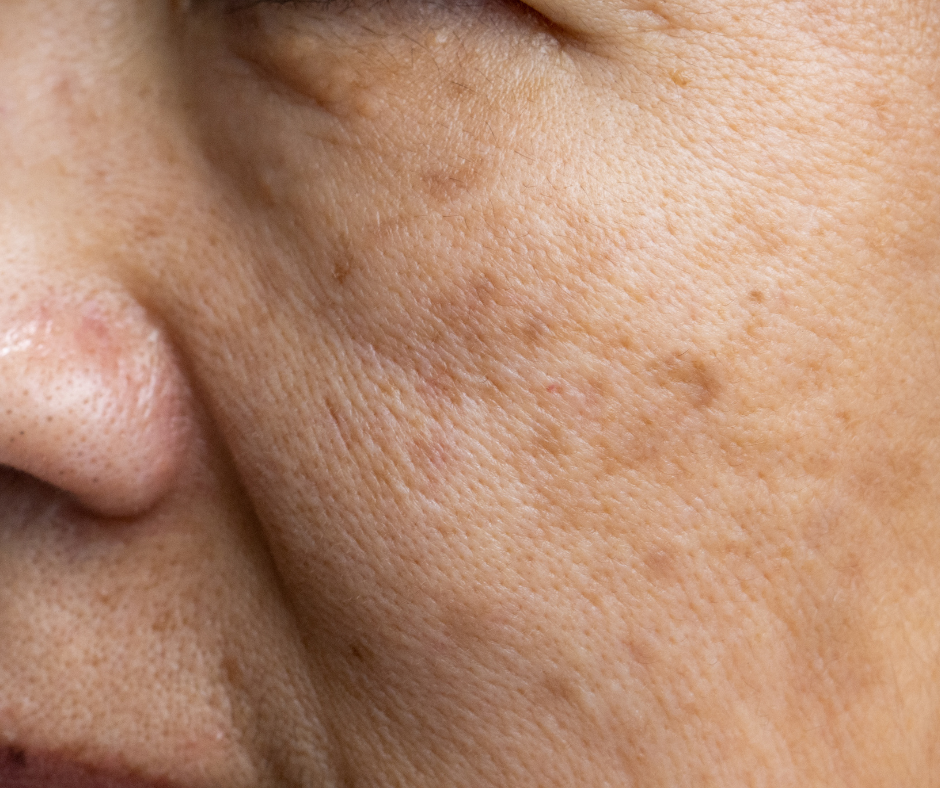
Melasma
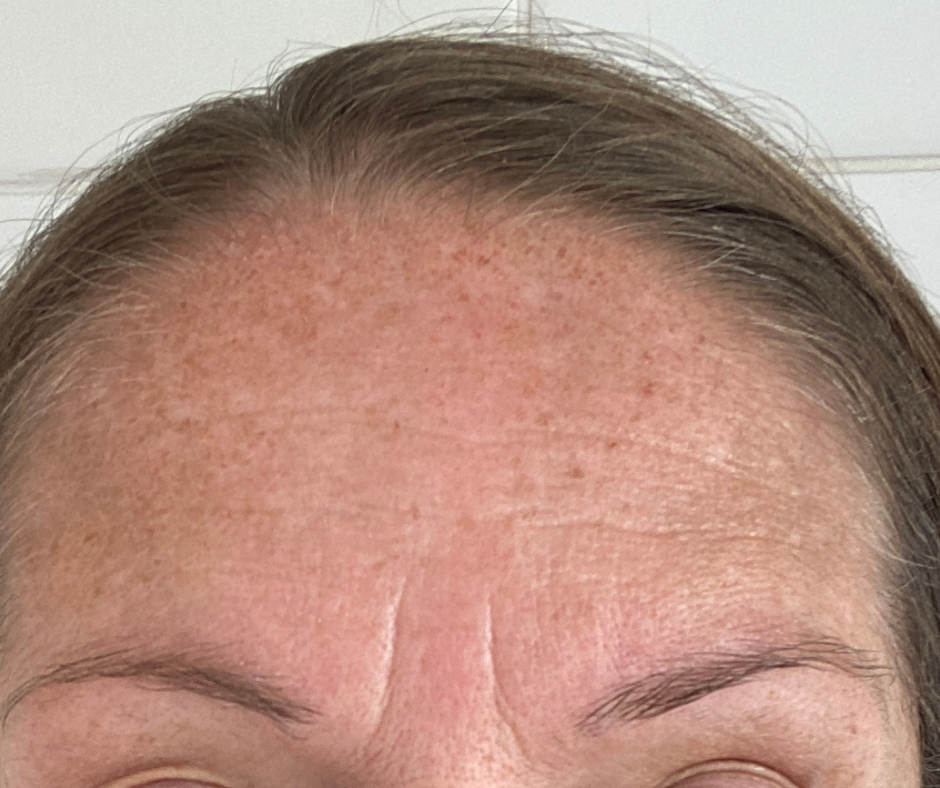
Sun Damage
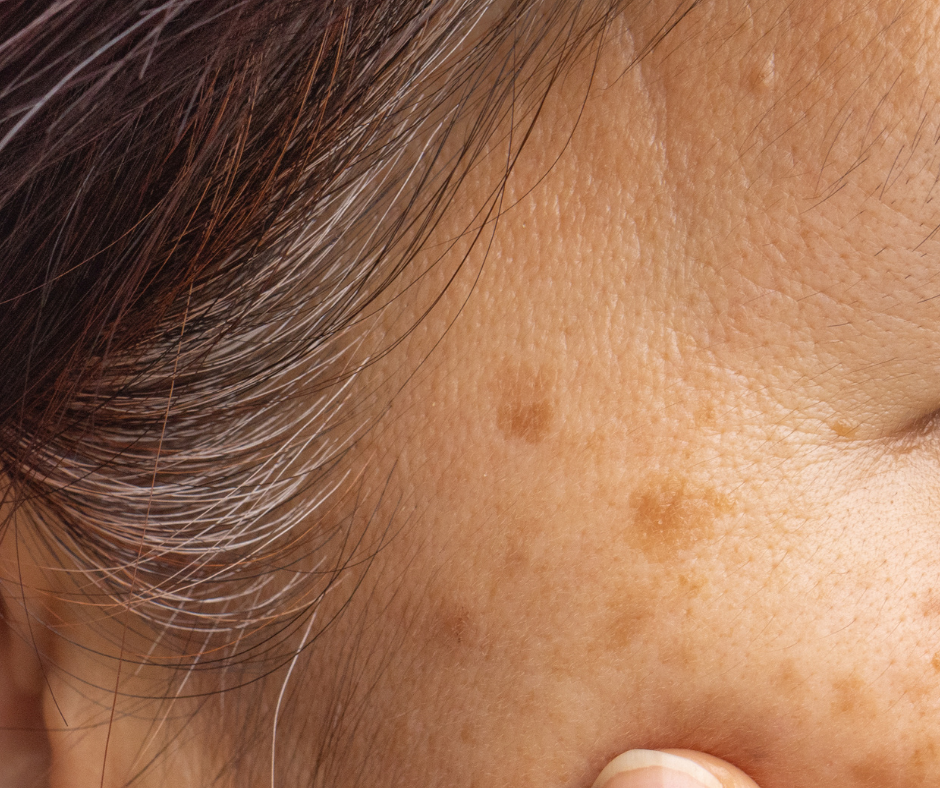
Sun Spots
Do you have sun damaged skin?
Our Approach to Pigmentation Treatment
Managing pigmentation starts with understanding what is causing the discolouration. During your consultation, our dermatologist will assess your skin, discuss your concerns and consider factors such as sun exposure, hormonal changes and previous skin conditions.
Depending on the type and cause of your pigmentation, your personalised management plan may include topical therapies, in-clinic procedures and skincare recommendations. The most suitable approach will depend on your skin, individual needs and the nature of the pigmentation.
Sun protection is also an important part of managing pigmentation. Exposure to UV rays can worsen existing dark spots and contribute to new pigmentation, even on cloudy days. Regular use of a broad-spectrum SPF 50+ sunscreen can help protect your skin and support ongoing management.

Comprehensive Care for Pigmentation and Sun Damaged Skin
Consult with our experienced team today.