

Acne Treatments
Acne Treatments
Acne treatment is guided by the type, severity and individual needs of your skin.
Acne can affect people of all ages and may appear as blackheads, whiteheads, inflamed pimples, hormonal breakouts or deeper cystic lesions. It can develop due to a combination of factors, including excess oil production, clogged pores, bacteria and hormonal changes.
If you’re experiencing persistent acne or recurring breakouts, our team can assess your skin and develop a tailored treatment plan based on your individual concerns. Book a consultation to learn more today.
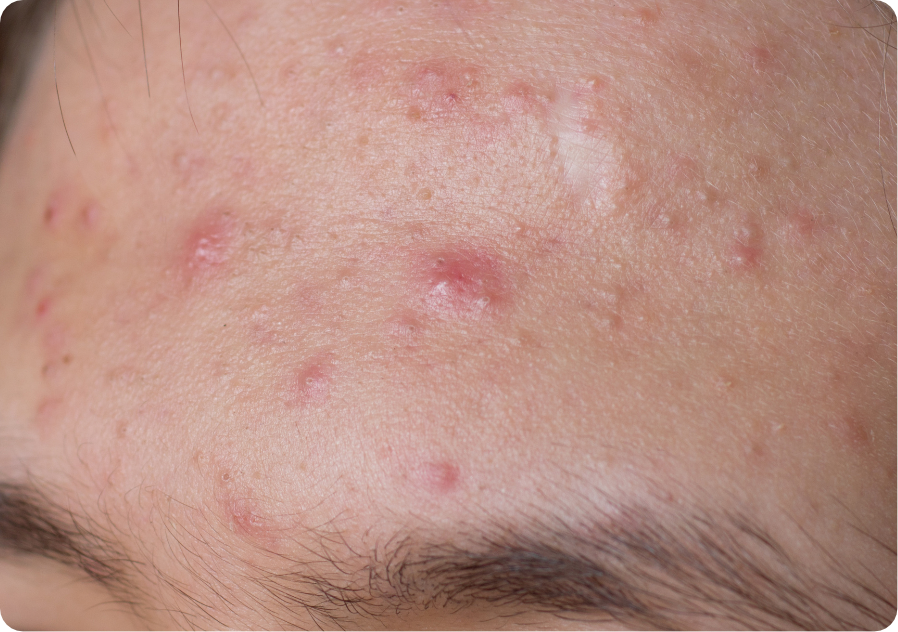
What is Acne?
Acne is a common skin condition involving the hair follicles and oil glands, where excess oil and dead skin cells contribute to blocked pores and inflammation.
Although acne is particularly common during puberty, it can develop at any stage of life and may continue well into adulthood. Beyond its physical symptoms, acne can also affect emotional wellbeing. In some cases, ongoing inflammation can result in permanent changes to skin texture and acne scarring.
What Causes Acne?
Acne can develop due to several contributing factors, including:
• Excess Oil Production
The sebaceous glands produce an oil called sebum to keep the skin moisturised. Excess sebum can accumulate within hair follicles and contribute to blocked pores.
• Build-up Of Dead Skin Cells
When dead skin cells are not shed effectively, they can mix with excess oil and accumulate within pores, contributing to blackheads, whiteheads and congestion.
• Bacteria and Inflammation
Cutibacterium acnes is naturally present on the skin. Within blocked follicles, it can contribute to inflammation, resulting in red, swollen or painful acne lesions.
• Hormonal Changes
Hormonal fluctuations, particularly involving androgens, can stimulate oil production and contribute to breakouts. This is common during puberty and can also affect adults.
• Genetics
Family history can influence a person’s likelihood of developing acne, including factors such as oil production, skin cell turnover and inflammatory responses.
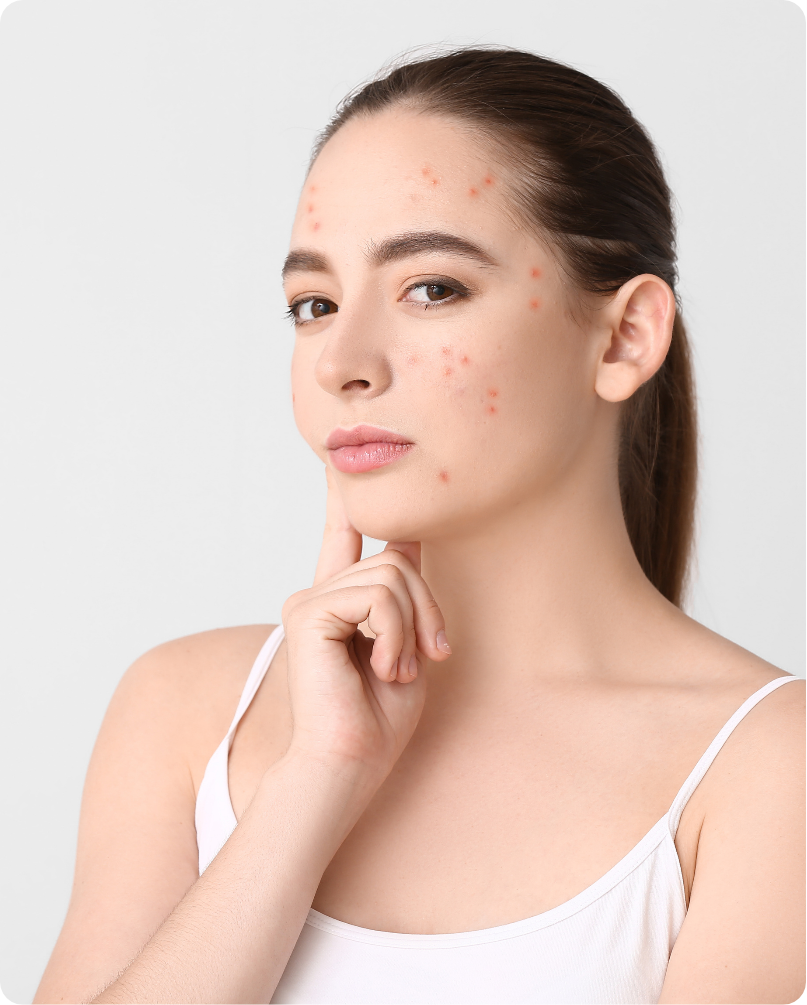
The Different Types of Acne
Acne presents in various forms and severities.
Mild acne might include occasional blackheads or whiteheads, while moderate acne could involve more frequent papules (small red bumps) or pustules (bumps with pus). Severe acne includes painful, inflamed nodules or cysts that are deeper within the skin and are more likely to cause scarring.
Our dermatologists are highly experienced in diagnosing and managing all forms of acne, from mild congestion to severe cystic acne. We tailor each treatment plan to suit your specific skin needs and provide expert advice on skincare routines and products to support your skin between treatments.
Take the next step towards managing your acne.
Our experienced dermatologists can assess your skin and discuss treatment options tailored to you.
Our Approach to Acne Treatment
Your acne treatment journey will begin with a comprehensive consultation with one of our experienced dermatologists, where we take the time to understand your skin, your concerns and what you’ve tried in the past. From there, we’ll develop a personalised treatment plan tailored to your skin type and the type of acne you’re experiencing.
You can expect regular follow-up appointments to monitor your progress, adjust your treatment if needed and support you throughout your journey. We’ll also guide you in building a simple, effective skincare routine and provide expert advice to help you manage flare-ups and maintain your skin health long-term.

Acne Scarring
Acne scarring can develop following moderate to severe acne, particularly when inflammation affects the deeper layers of the skin. Scars form as part of the skin’s natural healing process. However, prolonged inflammation, delayed treatment or picking at acne lesions can increase the risk of permanent changes to the skin’s texture and structure.
There are several types of acne scars, including:
-
Atrophic scars: ice pick, boxcar, and rolling scars, which present as depressions in the skin
-
Hypertrophic and keloid scars: raised or thickened areas of fibrous tissue