Pigmentation & Sun Damage
Reduce the appearance of uneven skin tone.
What is pigmentation?
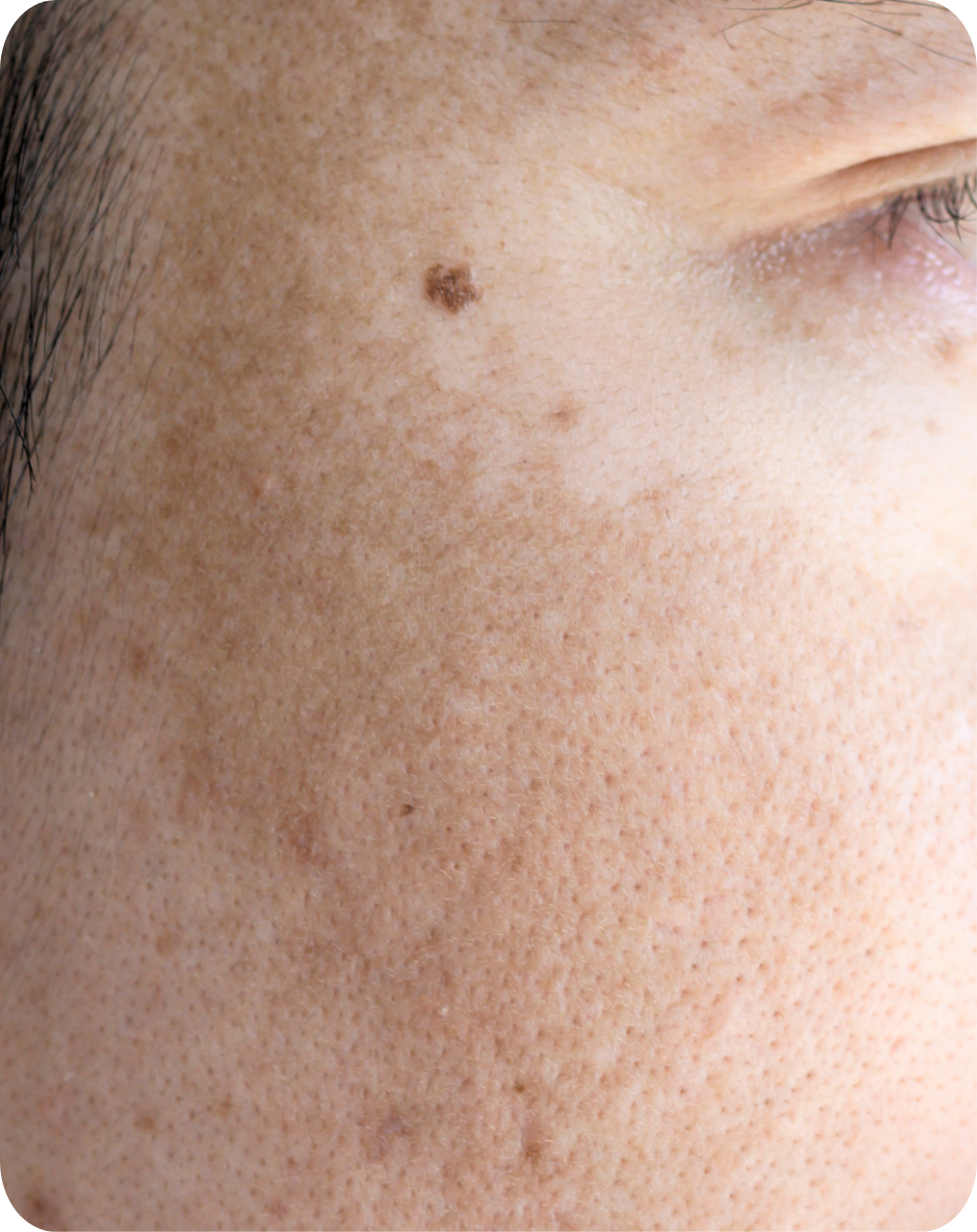
Pigmentation is a common skin condition that causes areas of the skin to appear darker than the surrounding skin. It occurs when the skin produces too much melanin, the natural pigment that gives your skin its colour.
Pigmentation can appear as small brown spots, larger patches of discolouration or uneven skin tone. It most commonly affects areas exposed to the sun, including the face, neck, chest and hands.
There are many different types of pigmentation, and each develops for different reasons. Some pigmentation is caused by years of sun exposure, while other forms are linked to hormones, inflammation or genetics.
Pigmentation is not the same for everyone. Different types of pigmentation can sit at varying depths within the skin and respond differently to treatment. This is why an accurate assessment of your pigmentation type, skin condition and individual concerns is essential when determining the most suitable treatment approach.
What causes pigmentation and sun damage?
Pigmentation develops when melanin production becomes uneven or excessive. A range of factors can contribute to pigmentation and sun damage, including:
• Sun exposure
Ultraviolet (UV) radiation is the leading cause of pigmentation and sun damage. Over time, repeated sun exposure stimulates excess melanin production, resulting in freckles, sun spots and age spots.
• Hormonal changes
Hormonal fluctuations associated with pregnancy, oral contraceptives or hormone therapy can trigger melasma, a common form of pigmentation that often appears on the cheeks, forehead and upper lip.
• Skin inflammation or injury
Pigmentation may develop after acne, eczema, skin injuries or certain cosmetic procedures as part of the skin’s healing response. This is known as post-inflammatory hyperpigmentation (PIH).
• Ageing
As skin ages and accumulates years of sun exposure, pigmentation becomes more common. This may present as age spots or uneven skin tone.
• Genetics
Some individuals are naturally more predisposed to developing freckles, melasma or other pigmentary conditions.
Types of Pigmentation
Sun Spots (Solar Lentigines)
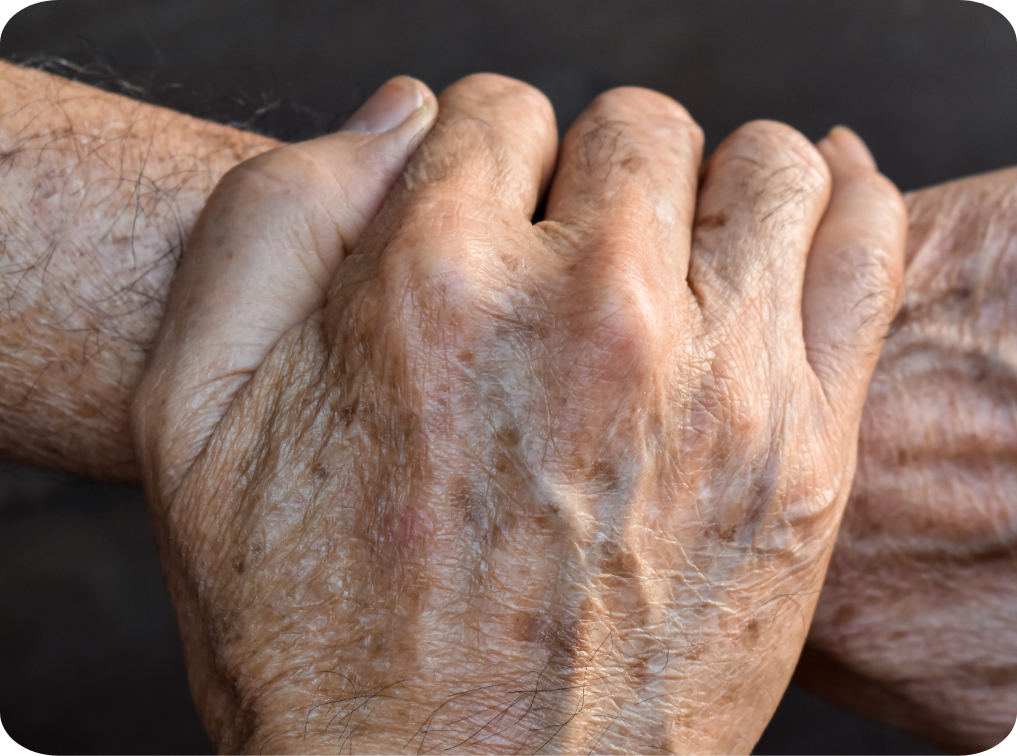
Also known as age spots or liver spots, these flat brown spots develop after years of cumulative sun exposure. They commonly appear on the face, chest, shoulders and backs of the hands.
Unlike freckles, sun spots do not fade during winter and often become more noticeable with age.
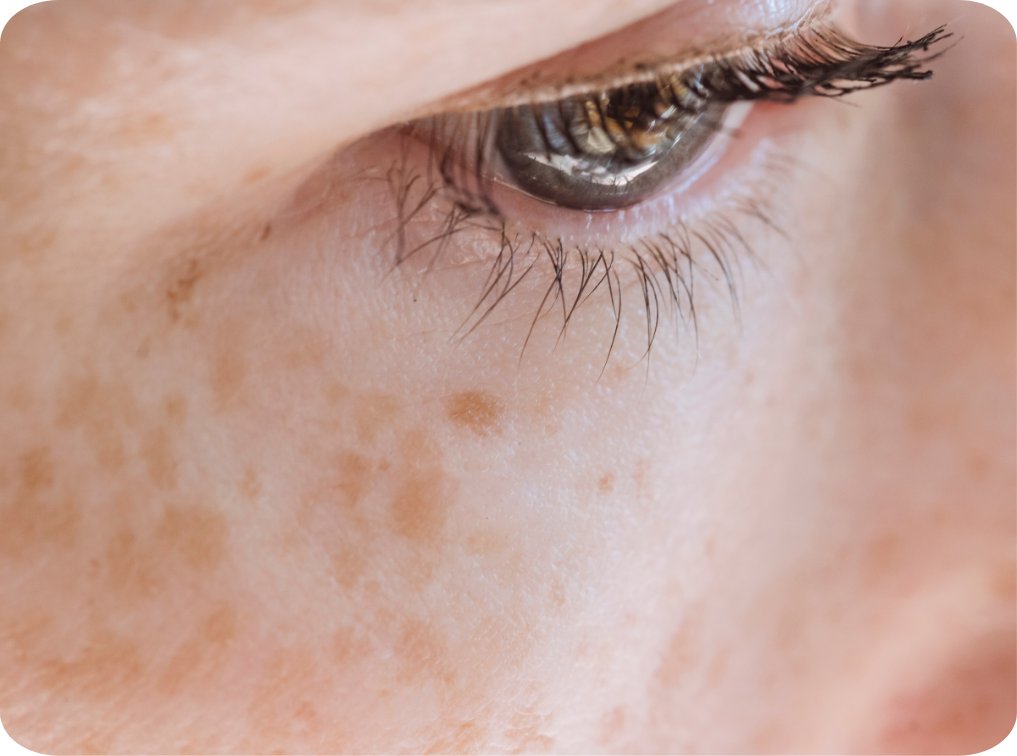
Freckles
Freckles are small, flat brown spots that commonly develop in childhood and become darker with sun exposure. They are strongly influenced by genetics and often fade during winter when UV exposure decreases.
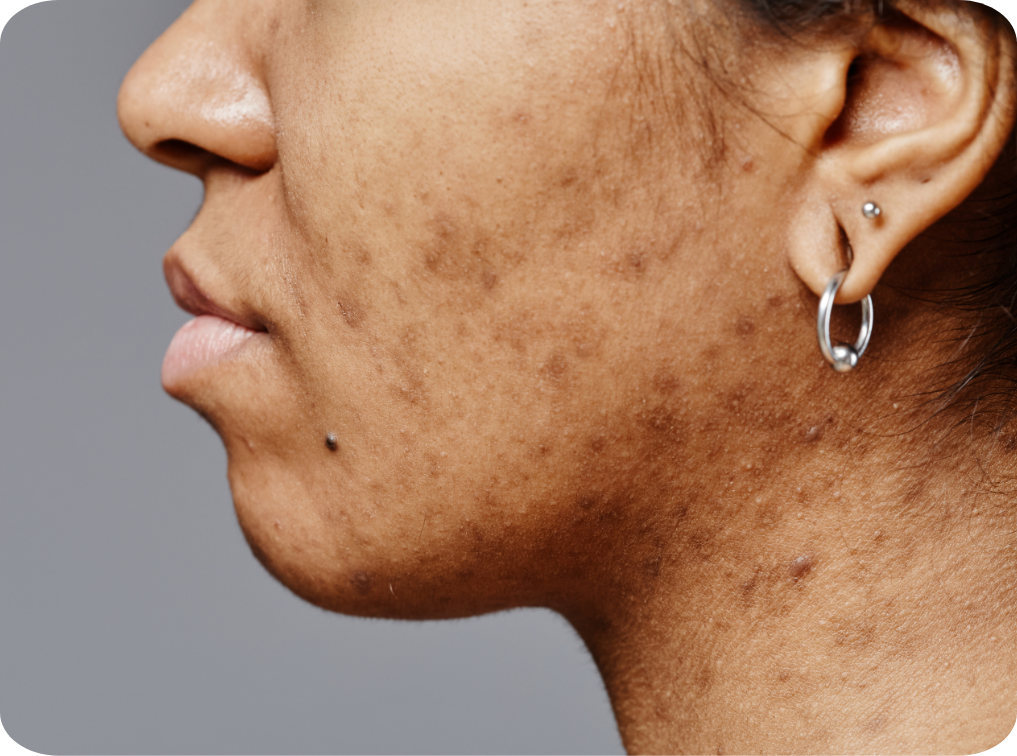
Post-Inflammatory Hyperpigmentation (PIH)
PIH develops after inflammation or injury to the skin, such as acne breakouts, eczema or cosmetic procedures.
These marks are not true scars but areas of increased pigmentation left behind after the skin has healed. While they often improve gradually, professional treatments may help accelerate fading.
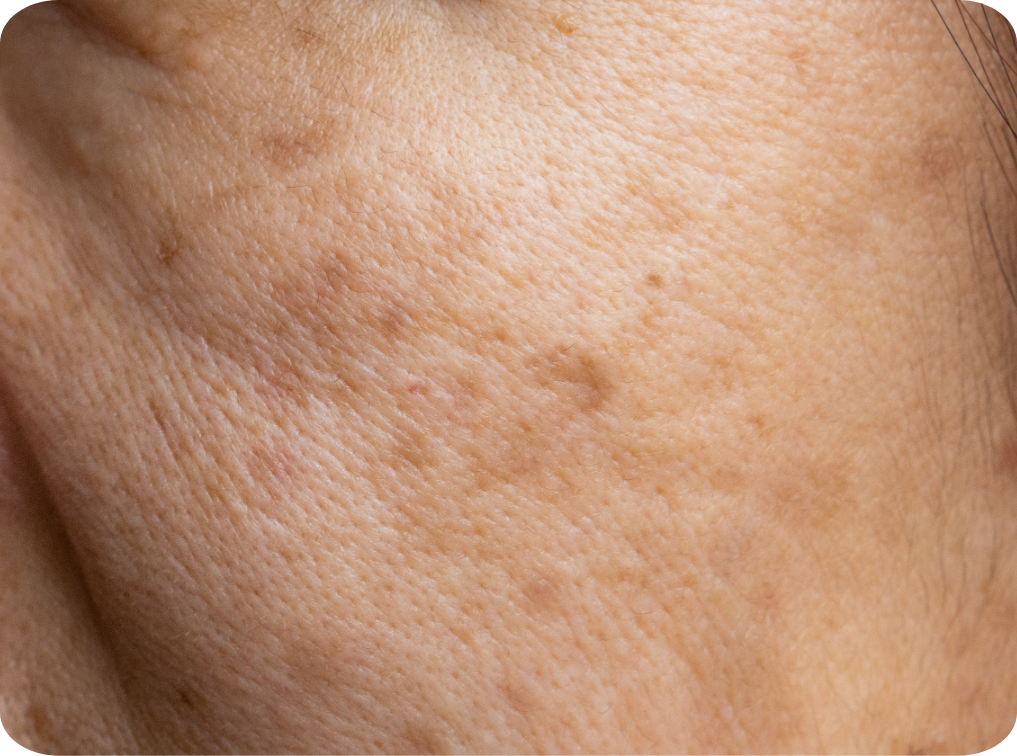
Melasma
Melasma is one of the most common forms of facial pigmentation. It usually appears as larger, symmetrical brown or grey-brown patches across the cheeks, forehead, nose and upper lip.
Melasma is often influenced by hormones and sun exposure and can be more challenging to treat than other forms of pigmentation. A personalised treatment plan is usually recommended.
When should you seek pigmentation treatment?
What pigmentation treatment options are available?
Explore Your Pigmentation Treatment Options
Book a consultation with our team at Perth Cosmetic Dermatology to have your skin assessed and receive a personalised treatment plan based on your pigmentation type, skin characteristics and individual concerns.
WHERE TO FIND US
Hollywood Medical Centre, Suite 60/85 Monash Avenue Nedlands, Western Australia 6009
Opening Hours: Tuesday – Friday | 9am – 4pm
P: 08 6166 3704
E: admin@cosmeticderm.com.au
Enter through the front door and walk straight ahead to the elevators. Take the elevators up to Level 2. When you exit the elevators, turn left and follow the corridor around the corner (we are located along the corridor).