Chemical Peels

Reveal smoother, brighter, and healthier-looking skin.
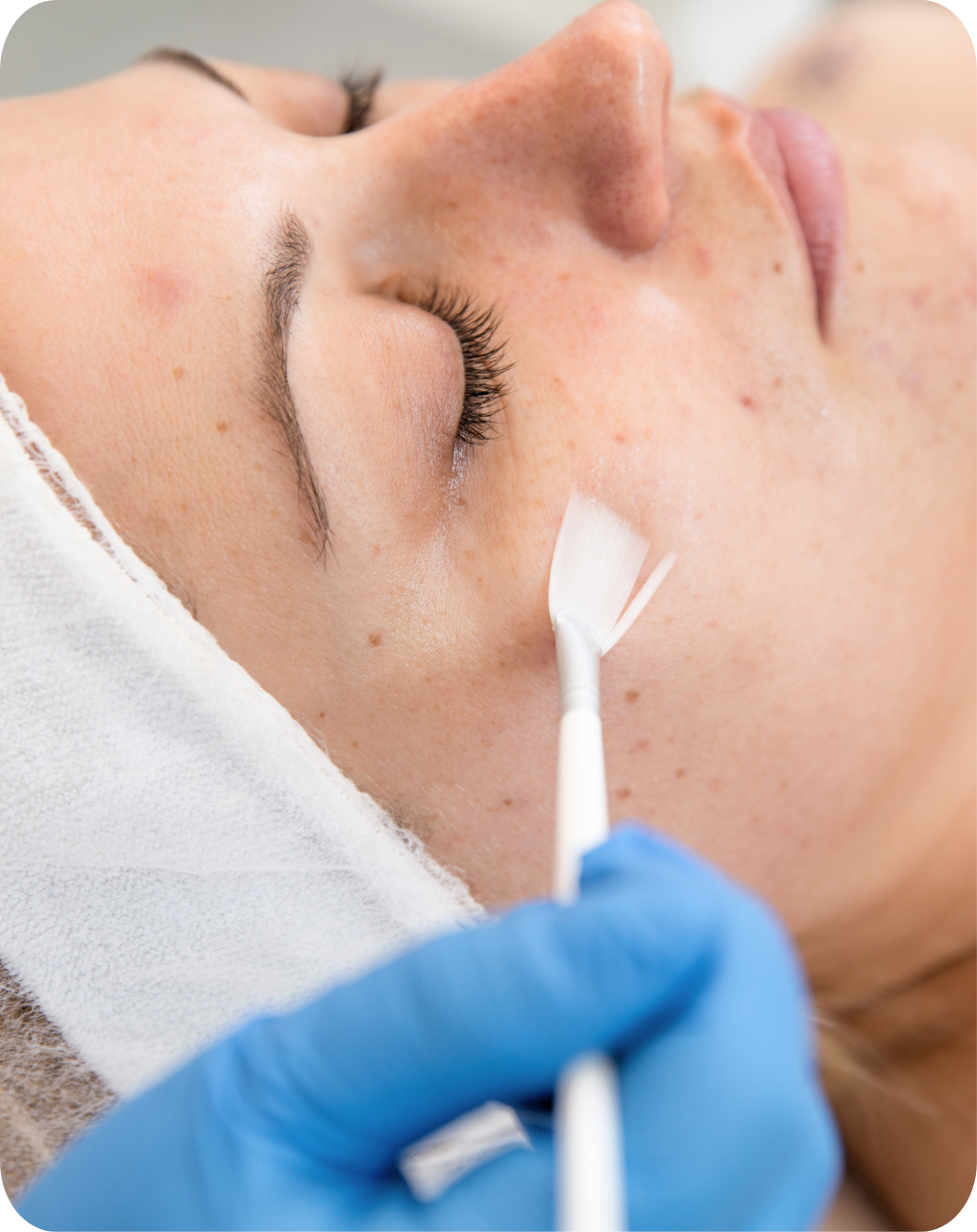
Chemical peels are a professional skin treatment designed to exfoliate the outer layers of the skin, helping to improve texture, clarity, and overall radiance. Peels are tailored to your skin type and concerns, with options ranging from glow-boosting treatments to more corrective medical-grade peels.

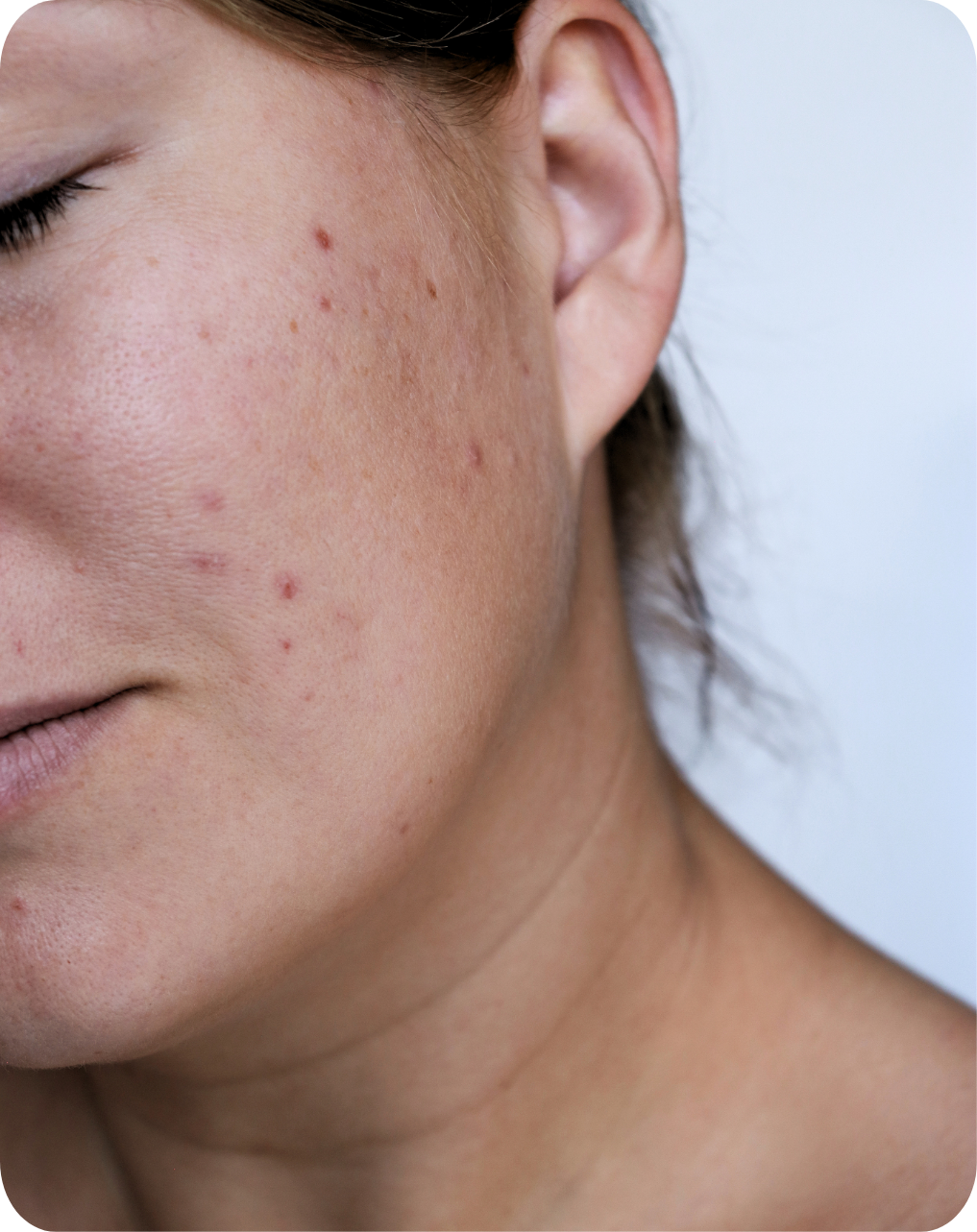
Ideal for skin concerns such as breakouts, pigmentation, dullness, or early signs of ageing. Chemical peels can be an effective way to refresh and reset your skin.

How do chemical peels work?

Chemical peels use carefully selected acids to remove dead skin cells from the surface of the skin. This controlled exfoliation encourages skin renewal and helps stimulate collagen production over time. The most commonly used agents include alpha hydroxy acids (AHAs) and beta hydroxy acids (BHAs), each with distinct properties and skin-level actions.

AHAs are water-soluble acids derived from natural sources such as fruit and milk sugars. These include glycolic acid and lactic acid which work on the surface of the skin to loosen the bonds between dead skin cells, allowing them to shed more evenly. This helps to refine skin texture, smooth rough or uneven areas, and improve overall skin radiance. 

BHAs most commonly salicylic acid, are oil-soluble and therefore able to penetrate into the pores. This makes BHAs particularly effective in targeting congestion, blackheads, and acne-prone skin. They help dissolve sebum and cellular debris within the follicle, reducing blockages and inflammation.

As the old, dull layer of skin is removed, fresher and healthier skin is revealed underneath. Depending on the type of peel, you may experience light flaking or no visible peeling at all.

What skin concerns can chemical peels help with?

Chemical peels are commonly used to improve:

  • Mild acne and congestion
  • Blackheads and clogged pores
  • Pigmentation
  • Uneven skin tone
  • Sun damage and dull skin
  • Early signs of ageing
  • Post-acne marks 

They can also be used as part of a long-term skin health plan to maintain clearer, more radiant skin.
Types of chemical peels.

Your clinician will select a peel based on your skin type, sensitivity, and goals.

Light peels
Exfoliate the surface of the skin for a refreshed, healthy glow. Ideal for beginners, sensitive skin, or maintenance.

Medium-depth peels
Work deeper within the skin to target pigmentation, acne, and texture concerns. May involve a few days of visible peeling.

Medical-grade customised peels
Formulated specifically for your skin, often combining different active ingredients for targeted results.

What to expect during your treatment.

A chemical peel treatment begins with a thorough cleanse of the skin to remove any oil, debris, or product residue and to ensure an even application. The peel solution is then carefully applied to the skin in a controlled manner.

During application, you may experience a mild tingling, stinging, or warm sensation, which is a normal response as the active ingredients begin to work on the skin. Depending on the type and strength of the peel being used, the solution may either be left on the skin for a set period of time or neutralised and removed in-clinic. Once the peel process is complete, soothing and barrier-supporting products are applied to help calm the skin and support recovery.

Frequently Asked Questions

Are chemical peels right for you?

Chemical peels can be adapted for most skin types, but the right formulation and strength is key. Your clinician will assess your skin first to ensure the treatment is suitable and safe for your concerns.

Peels are often used as part of a broader skin plan and may be combined with other treatments for enhanced results.

What’s the difference between AHAs and BHAs?

AHAs (alpha hydroxy acids) work on the surface of the skin to exfoliate and improve texture and brightness. BHAs (beta hydroxy acids) are oil-soluble and work inside the pores to help clear congestion, blackheads, and breakouts.

Is there any downtime?

Downtime depends on the type of peel used. Light peels may have no downtime, while stronger peels can involve a few days of dryness, flaking, or mild redness.

How often can I have a chemical peel?

This varies depending on your skin and the type of peel. Light peels may be performed every few weeks, while stronger peels are spaced further apart as advised by your clinician.

Not sure where to begin?

Book a consultation and let our experts tailor the right treatment plan for you. 

WHERE TO FIND US

Hollywood Medical Centre, Suite 60/85 Monash Avenue Nedlands, Western Australia 6009

Opening Hours: Tuesday – Friday | 9am – 4pm

P: 08 6166 3704

E: admin@cosmeticderm.com.au

Enter through the front door and walk straight ahead to the elevators. Take the elevators up to Level 2. When you exit the elevators, turn left and follow the corridor around the corner (we are located along the corridor).

Perth Cosmetic Dermatology