Acne Scar Treatment
Addressing acne scars early can help improve overall skin quality and prevent long-term changes from becoming more noticeable over time.
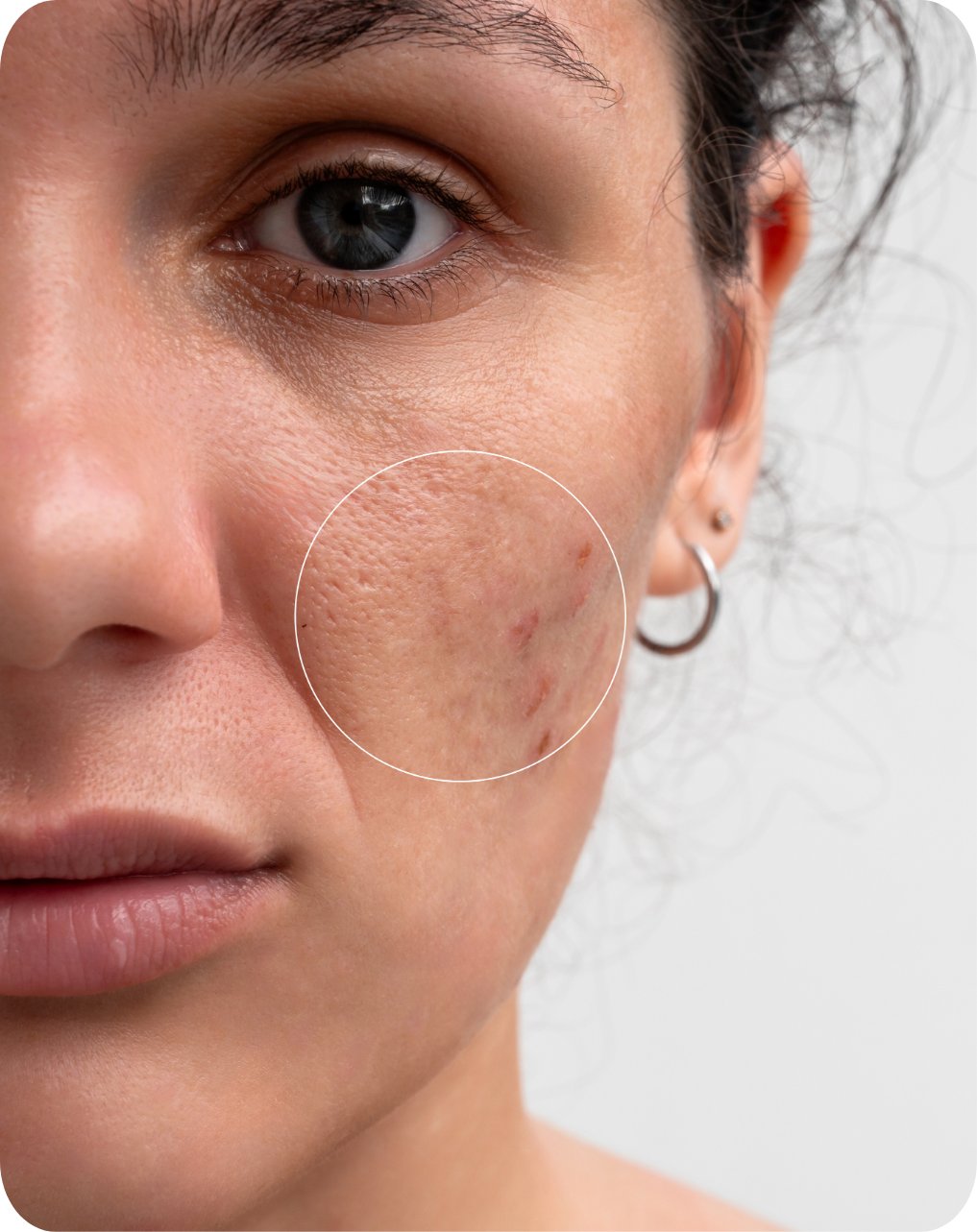
What are acne scars?
What causes acne scars?
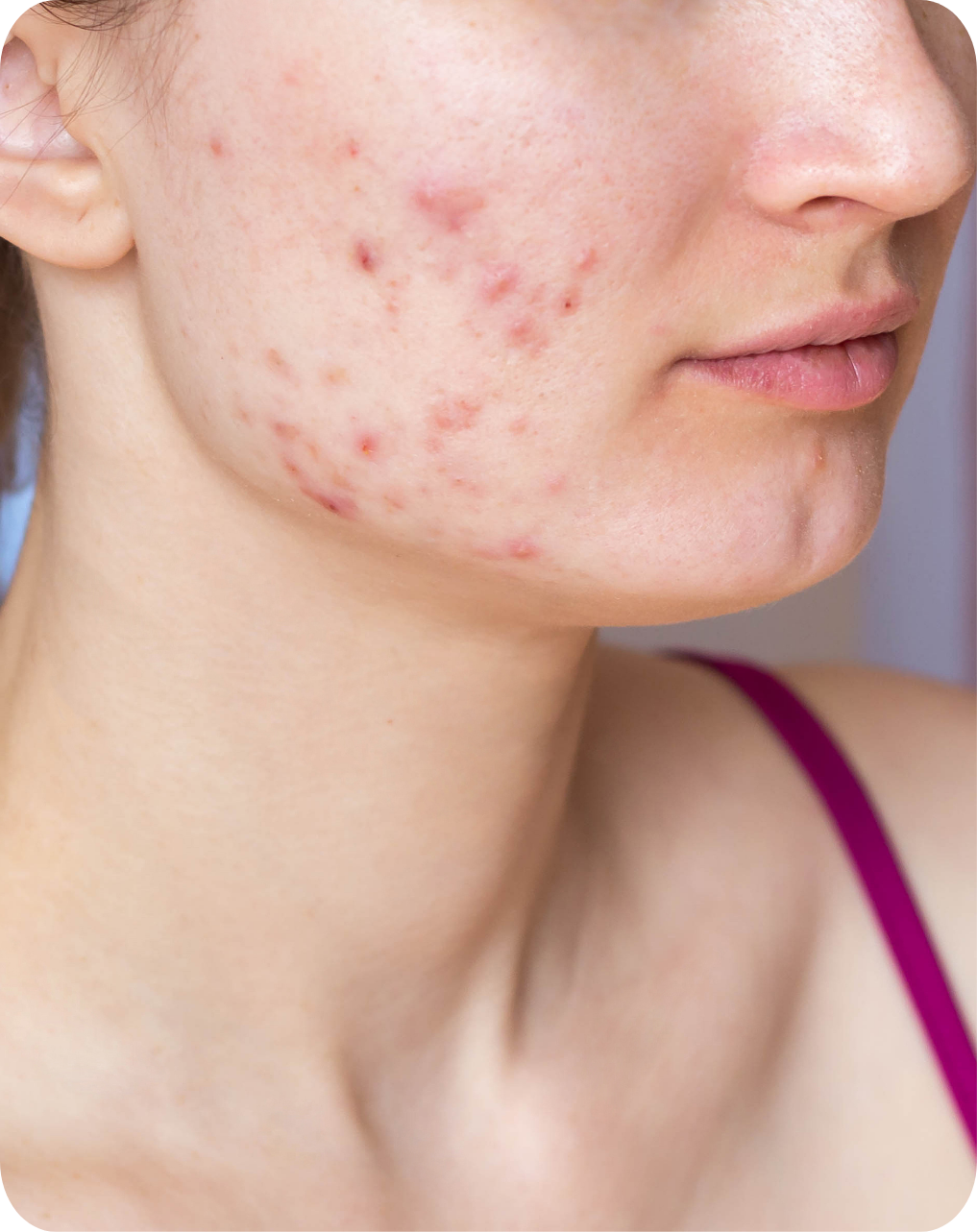
Acne scars are more likely to develop when acne causes significant inflammation and damage beneath the skin’s surface. Factors that can increase the likelihood of acne scarring include:
• Severe or inflammatory acne
Deep acne lesions, including nodules and cysts, create more inflammation within the skin and have a higher risk of causing permanent changes.
• Delayed acne treatment
Leaving inflammatory acne untreated for longer periods may increase the chance of scarring developing.
• Picking or squeezing pimples
Manipulating acne lesions can increase inflammation and interfere with the skin’s natural healing process.
• Genetics
Some people are more prone to developing certain types of scars due to how their skin produces collagen during healing.
• Skin healing response
Everyone’s skin repairs itself differently. Some individuals may produce too little collagen, resulting in indented scars, while others may produce excess collagen, leading to raised scars.
Types of Acne Scars
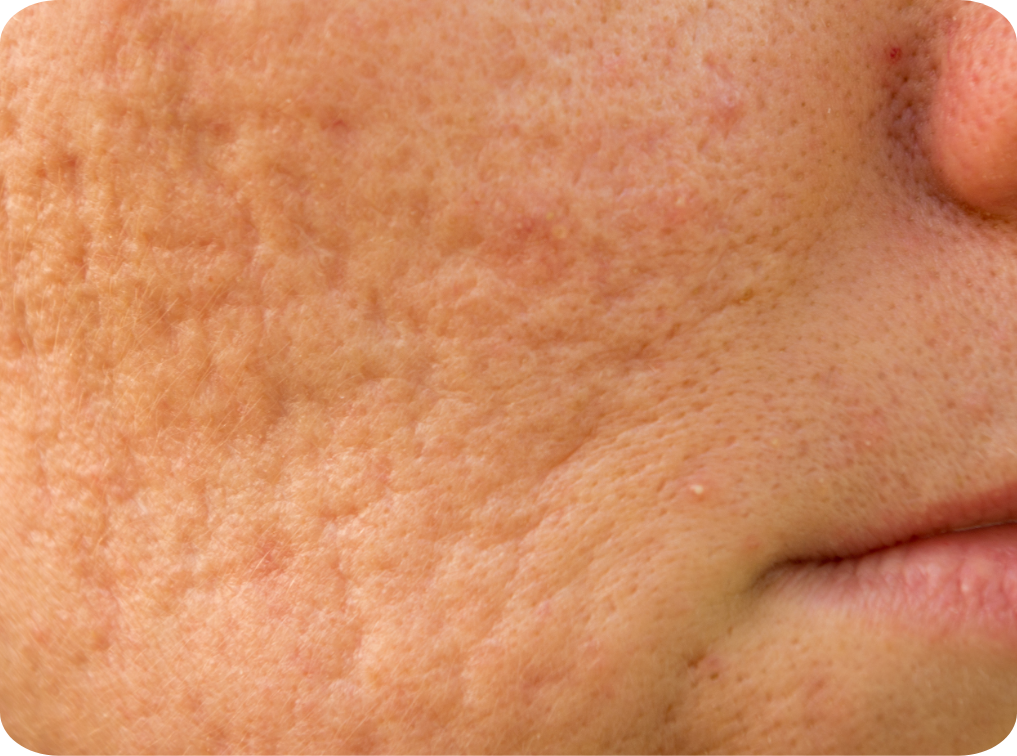
Indented (Atrophic) Acne Scars
Indented acne scars are the most common type of acne scarring. They develop when inflammation damages collagen beneath the skin, leaving small depressions or uneven skin texture.
- Ice Pick Scars – Deep, narrow scars that extend into the skin.
- Boxcar Scars – Wider scars with defined edges that may be shallow or deep.
- Rolling Scars – Broad depressions that create a soft, wave-like appearance.
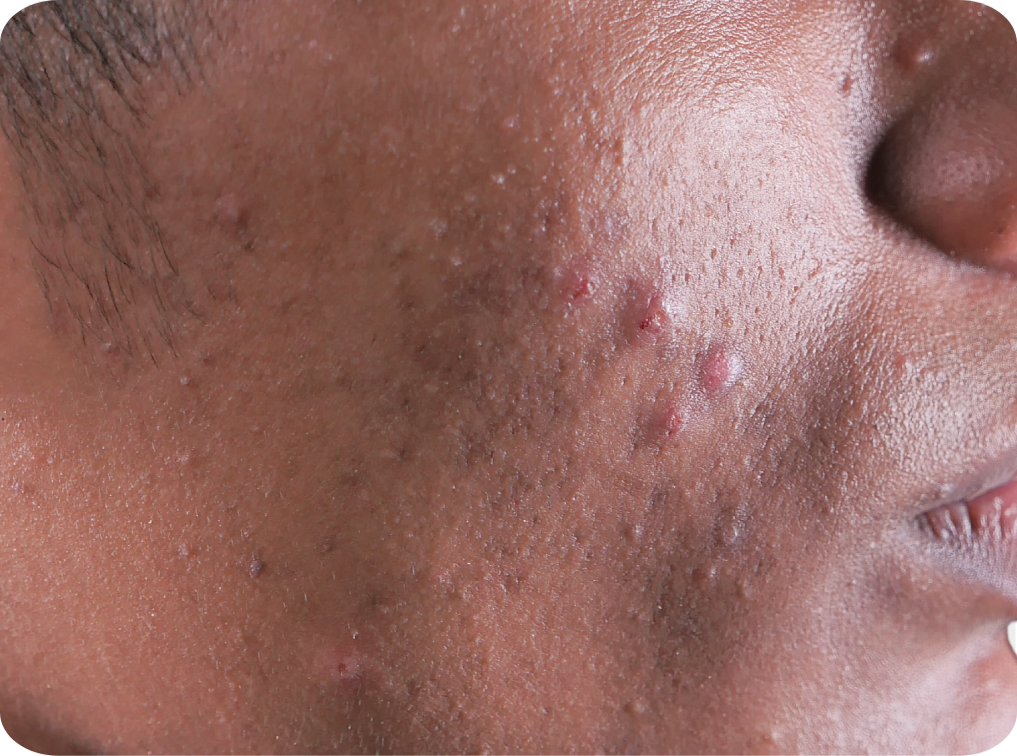
Raised Acne Scars
Raised acne scars occur when the skin produces excess collagen during the healing process. These scars are less common than indented acne scars and include hypertrophic scars (raised scars that remain within the original acne lesion) and keloid scars (raised scars that extend beyond the original area of skin injury).
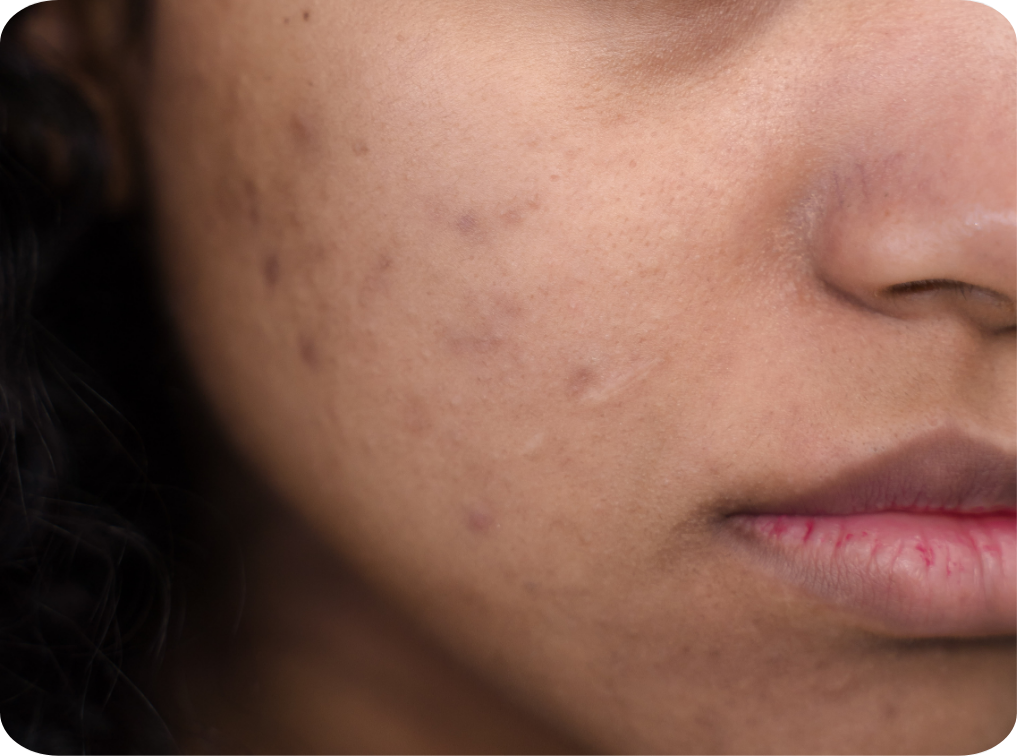
Post-Acne Marks
Not all marks left after acne are true scars. Many people notice lingering red or brown marks after a breakout has healed. These changes, known as post-inflammatory erythema (PIE) and post-inflammatory hyperpigmentation (PIH) are caused by inflammation and often fade gradually over time.
When should you seek treatment for acne scars?
What acne scar treatment options are available?
Start Your Acne Scar Treatment Journey
Book a consultation with our team at Perth Cosmetic Dermatology to assess your acne scars and explore personalised treatment options designed to improve skin texture, tone and overall appearance.
WHERE TO FIND US
Hollywood Medical Centre, Suite 60/85 Monash Avenue Nedlands, Western Australia 6009
Opening Hours: Tuesday – Friday | 9am – 4pm
P: 08 6166 3704
E: admin@cosmeticderm.com.au
Enter through the front door and walk straight ahead to the elevators. Take the elevators up to Level 2. When you exit the elevators, turn left and follow the corridor around the corner (we are located along the corridor).