Acne Treatment
Consultations for adult acne, teenage acne, and severe cystic acne.
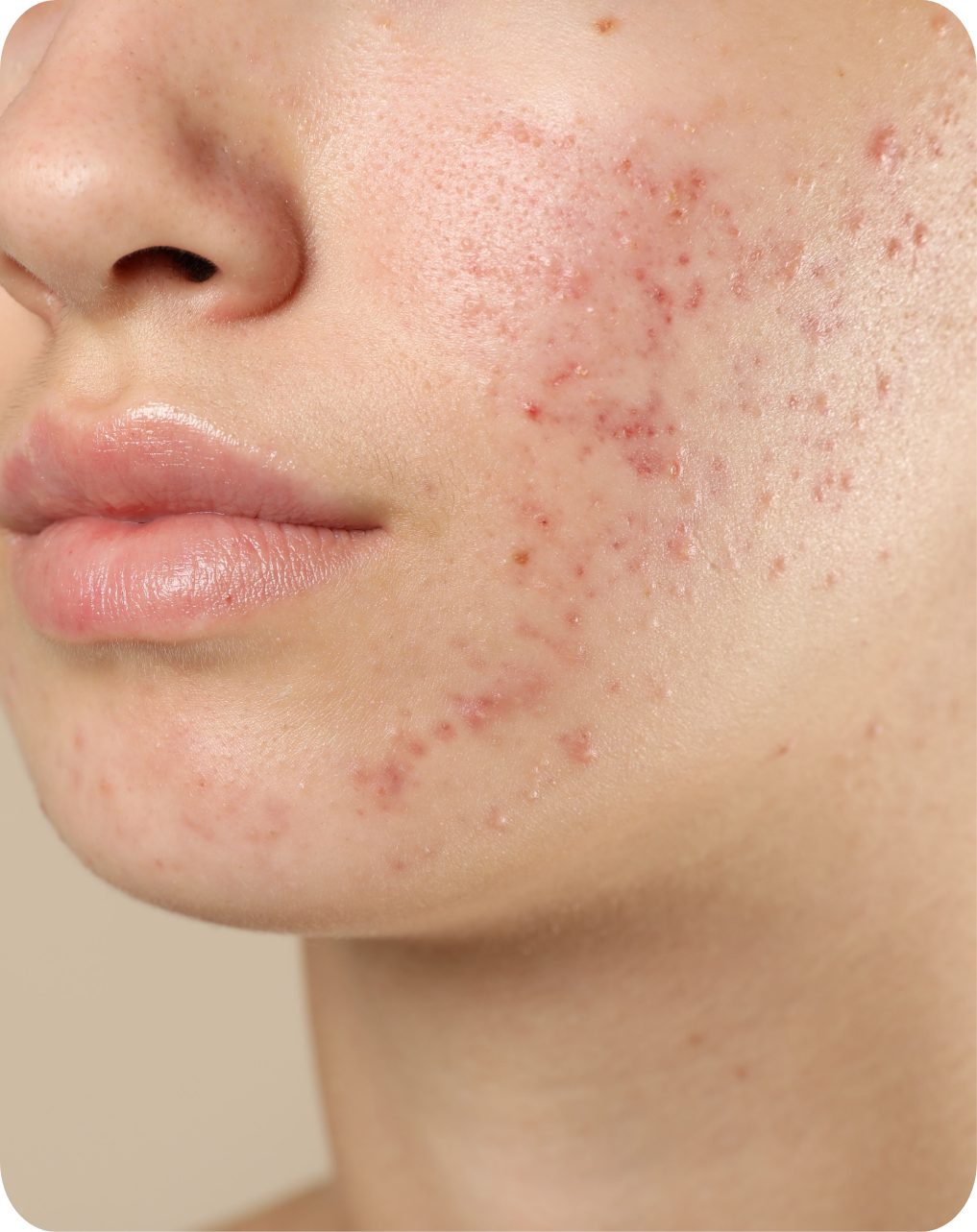
What is acne?
What causes acne?
Acne rarely develops because of a single cause. Instead, it usually occurs when several factors work together.
• Excess Oil Production
The skin naturally produces an oil called sebum to keep it hydrated and protected. When too much sebum is produced, it mixes with dead skin cells inside the pore, increasing the likelihood of blockages
• Dead Skin Cells
Healthy skin continually sheds old skin cells. When these cells do not shed normally, they can accumulate within the hair follicle and contribute to clogged pores.
• Bacteria
A naturally occurring skin bacterium called Cutibacterium acnes lives harmlessly on everyone’s skin. When pores become blocked, the bacteria can multiply, triggering inflammation and causing acne lesions to become red, swollen and tender.
• Hormones
Hormonal fluctuations increase oil production and are one of the most common contributors to acne. This is why acne often develops during puberty but may also occur during menstrual cycles, pregnancy, perimenopause or conditions such as polycystic ovary syndrome (PCOS).
• Genetics
Genetics influence both how much oil your skin produces and how strongly your body responds to inflammation.
• Lifestyle and Environmental Factors
While acne is not caused by poor hygiene, certain factors may contribute to flare-ups in susceptible individuals. These can include stress, heavy cosmetic products and some medications.
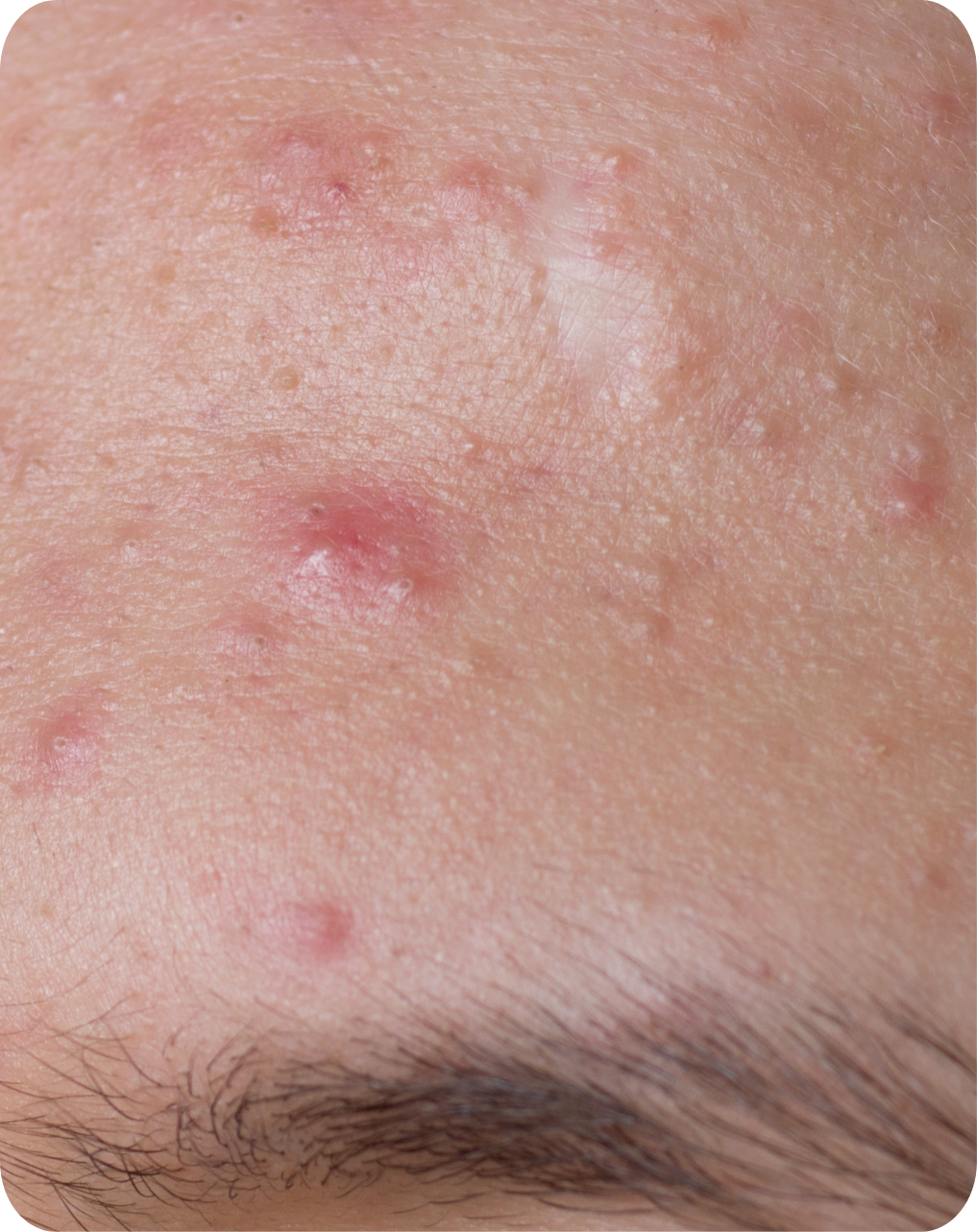
The different types of acne.
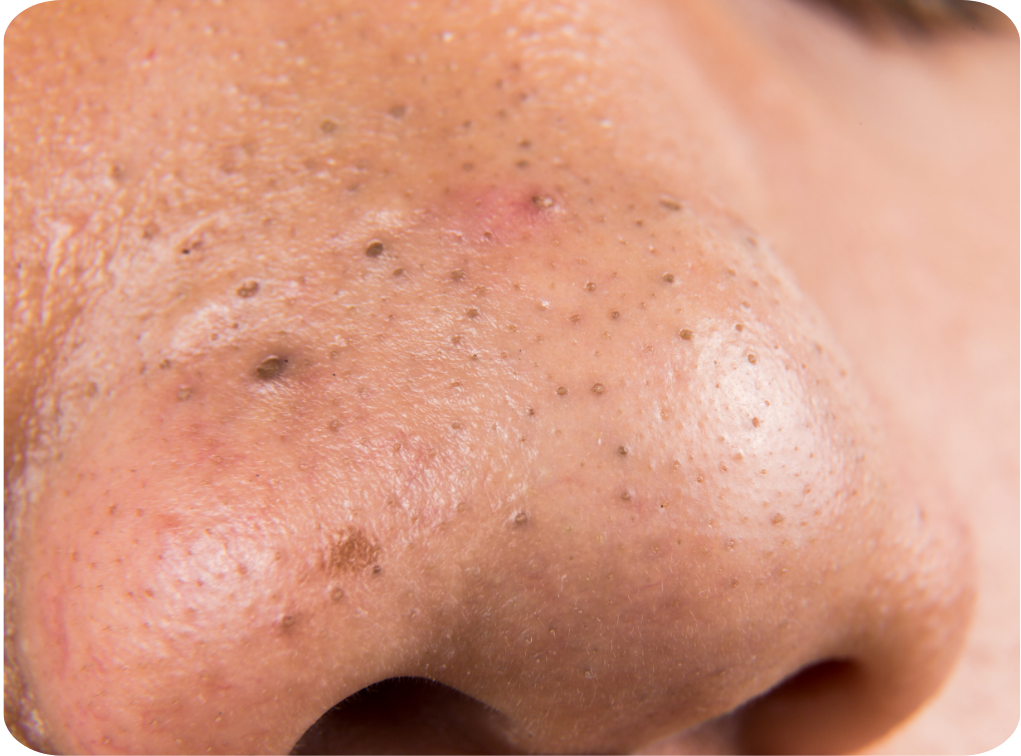
Blackheads
Blackheads develop when a clogged pore remains open. Exposure to air causes the trapped material inside the pore to darken, creating the characteristic black appearance.
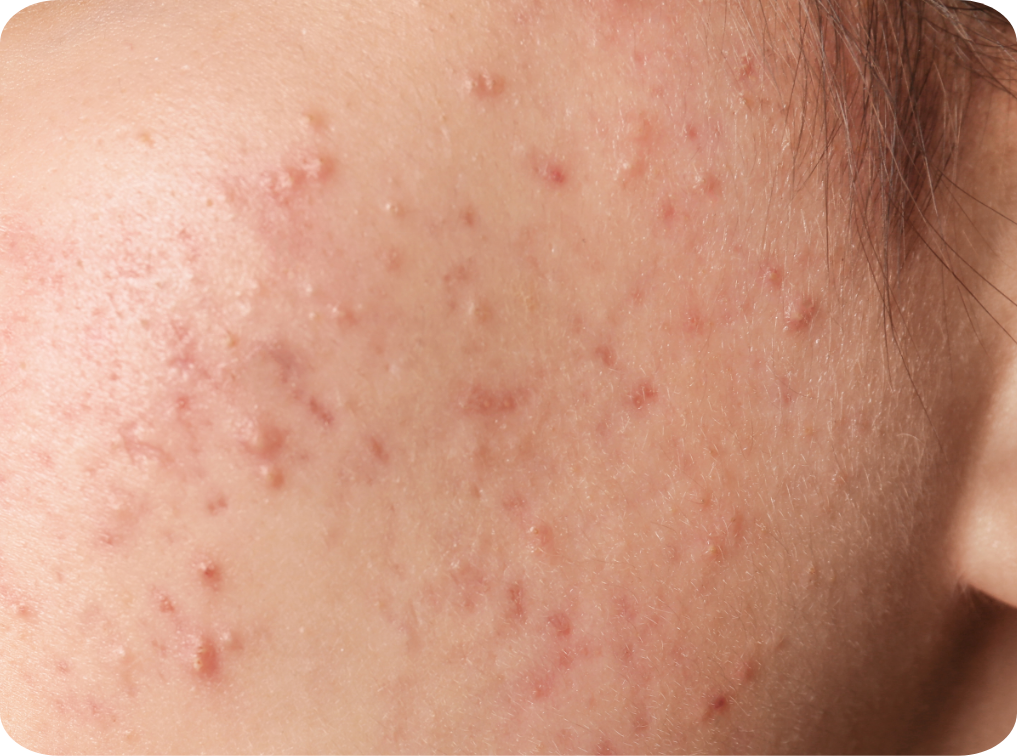
Whiteheads
Whiteheads occur when the blocked pore remains closed beneath the skin’s surface, forming small white or flesh-coloured bumps.
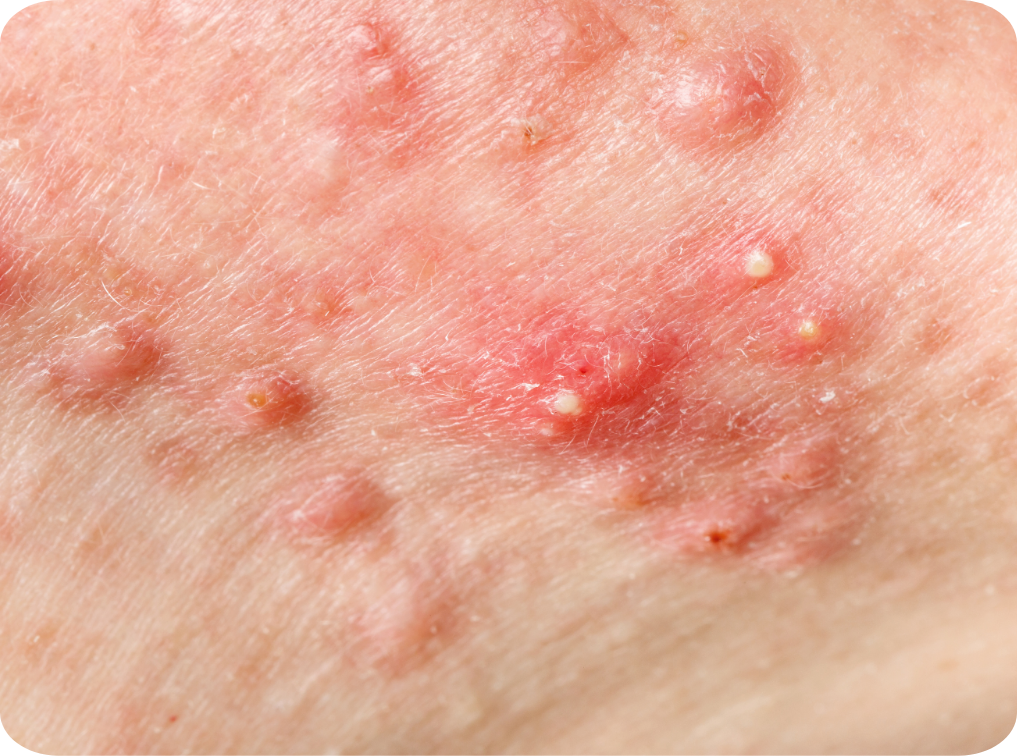
Papules and pustules
Papules are small inflamed red bumps, while pustules contain visible pus. These are the types of lesions many people commonly refer to as “pimples.”
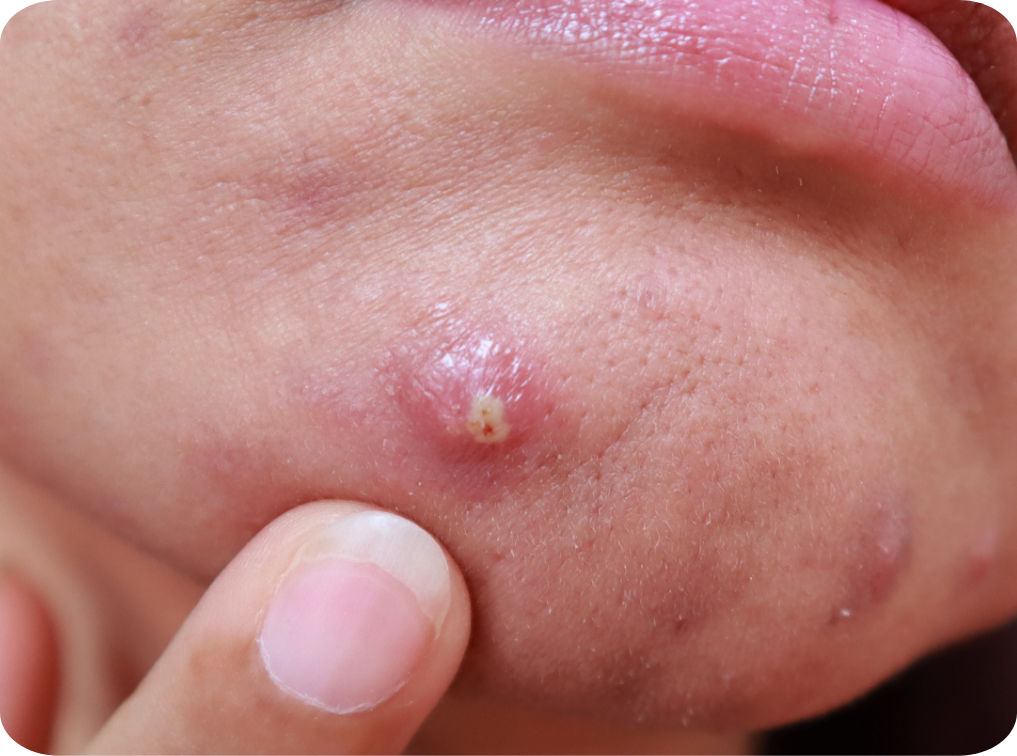
Nodules and cysts
These are larger, deeper inflammatory lesions that can be painful and carry a higher risk of permanent acne scarring. They often require medical treatment rather than over-the-counter skincare.
When to see a dermatologist for acne.
How to know if your acne needs professional treatment.
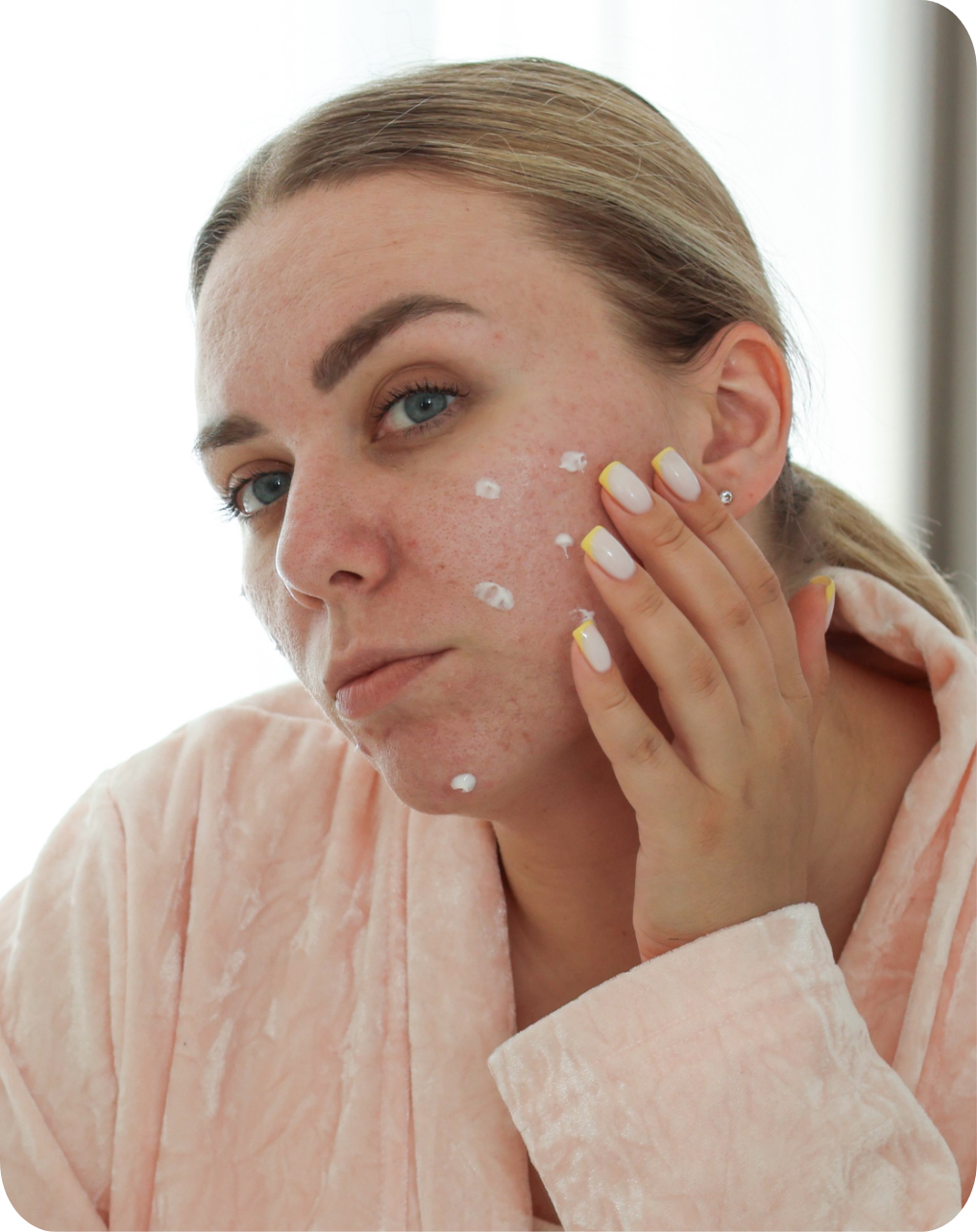
Acne Treatment Options
Booking Your Acne Appointment
If you are experiencing persistent acne, hormonal acne or acne scarring, our specialist dermatologists at Perth Cosmetic Dermatology can assess your skin and recommend a personalised treatment plan tailored to your concerns.
WHERE TO FIND US
Hollywood Medical Centre, Suite 60/85 Monash Avenue Nedlands, Western Australia 6009
Opening Hours: Tuesday – Friday | 9am – 4pm
P: 08 6166 3704
E: admin@cosmeticderm.com.au
Enter through the front door and walk straight ahead to the elevators. Take the elevators up to Level 2. When you exit the elevators, turn left and follow the corridor around the corner (we are located along the corridor).