Bruxism

A medical condition known as teeth grinding.
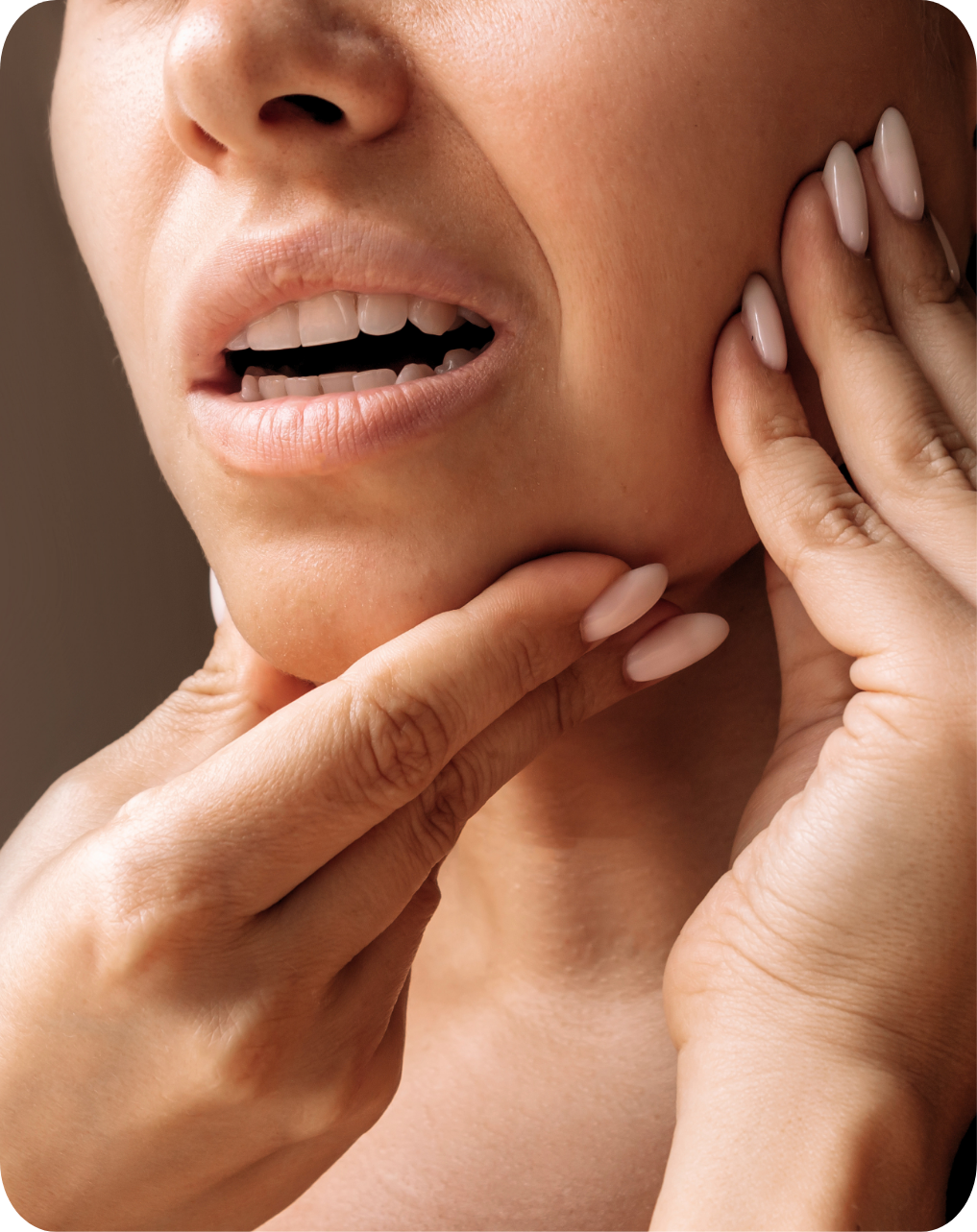
Bruxism is a condition characterised by involuntary clenching or grinding of the teeth, most commonly occurring during sleep, although it may also be present during waking hours. It can place significant strain on the teeth, jaw muscles, and temporomandibular joint (TMJ), and may contribute to facial discomfort, tension headaches, and dental wear over time.

There are solutions available to help manage the symptoms of bruxism. Book a consultation with our team to learn more and explore the treatment options that may be suitable for you.

Understanding jaw clenching and teeth grinding.

Bruxism is often associated with increased muscle activity in the jaw, particularly the masseter muscles. While the exact cause is multifactorial, it is commonly linked to stress, anxiety, sleep disturbances, and bite misalignment in some individuals.

Over time, repeated clenching or grinding can place ongoing pressure on the jaw joint and surrounding muscles. This may result in symptoms that vary from mild tension to more persistent discomfort.

Common signs and symptoms of bruxism.

Bruxism can present in a range of ways, and many individuals may not be aware they are affected until symptoms become more noticeable. Common signs may include:

  • Jaw tightness
  • Facial muscle fatigue
  • Tenderness in the jaw area (particularly upon waking)

Other associated symptoms may include headaches, particularly in the temples, sensitivity in the teeth, or a sensation of tightness or fatigue in the jaw muscles during the day. In some cases, a partner may notice grinding sounds during sleep.

Impact on the jaw and facial muscles.

Ongoing bruxism can place repetitive strain on the jaw muscles and temporomandibular joint (TMJ). Over time, this may lead to muscle hypertrophy, particularly in the masseter region, as well as increased facial tension and discomfort. Addressing the underlying muscle activity may help reduce strain and improve comfort over time.

Management and treatment options.

Management of bruxism is tailored to the individual and begins with a comprehensive clinical assessment. This allows our practitioners to evaluate symptoms, contributing factors, and the extent of muscle involvement.

Treatment approaches may focus on reducing excessive muscle activity in the jaw and relieving associated tension. Your clinician will discuss appropriate options with you during your consultation and develop a plan based on your presentation and symptoms. You may benefit from a consultation if you experience persistent jaw tightness, facial pain, headaches, or signs of teeth grinding.  Book a consultation to speak with our team today.

Not sure where to begin?

Book a consultation and let our experts tailor the right treatment plan for you. 

WHERE TO FIND US

Hollywood Medical Centre, Suite 60/85 Monash Avenue Nedlands, Western Australia 6009

Opening Hours: Tuesday – Friday | 9am – 4pm

P: 08 6166 3704

E: admin@cosmeticderm.com.au

Enter through the front door and walk straight ahead to the elevators. Take the elevators up to Level 2. When you exit the elevators, turn left and follow the corridor around the corner (we are located along the corridor).

Perth Cosmetic Dermatology